Wholesale women's skirtPurchasing is one of the most important steps for profitability and customer satisfaction for a boutique or clothing store. Combining the right styles, quality fabrics, and competitive prices is essential for a successful retail strategy. So, what should you pay attention to when buying skirts wholesale, and which trends should you follow?
In this guide, you'll find tips to strengthen your inventory and increase your sales.
1. Analyze your target audience and trends thoroughly.
Before you begin wholesale purchasing, your top priority is...Knowing your customer baseshould be.
-
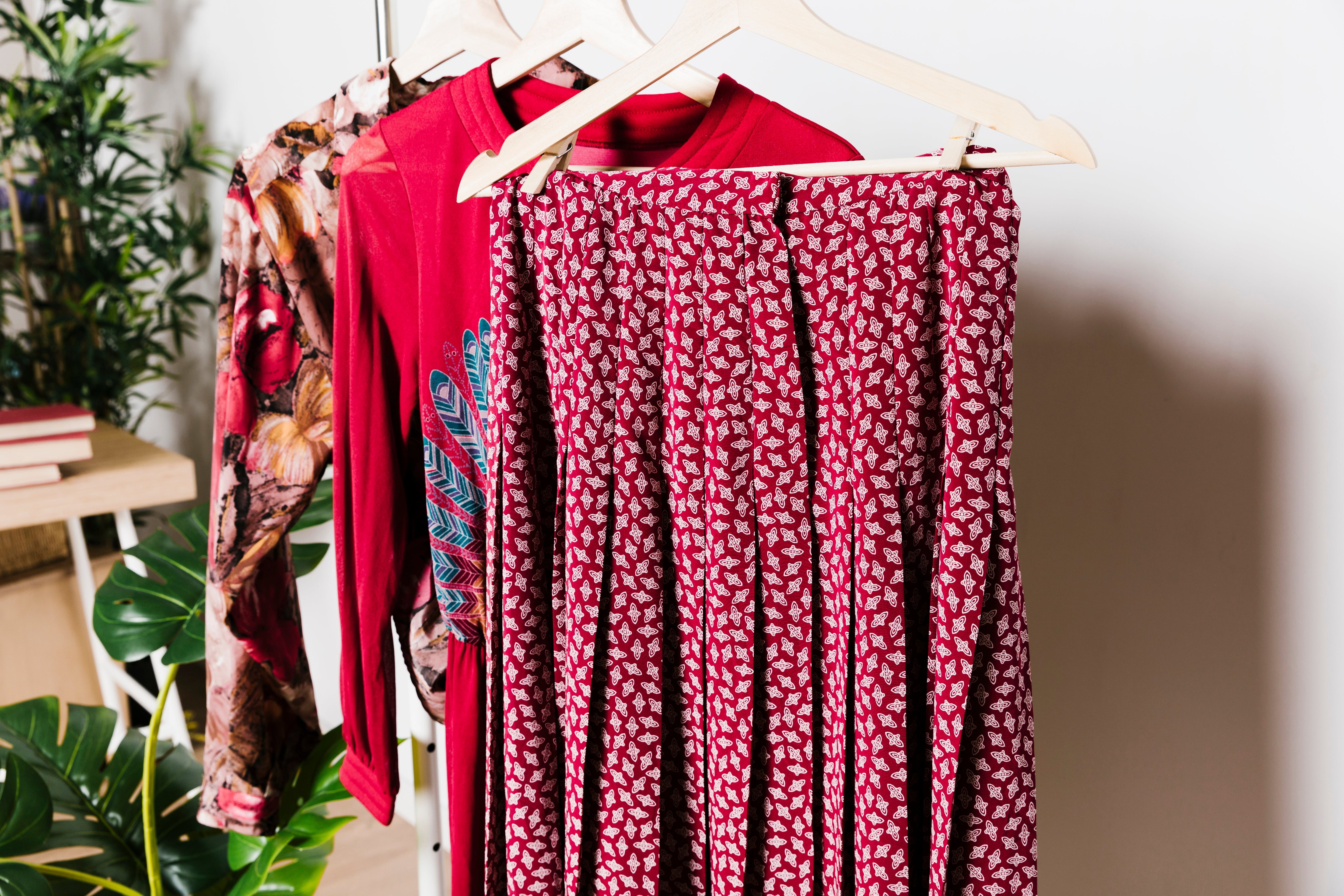
Age and Style:Are your customers mostly young and dynamic, or do they have a classic and sophisticated style? For example, for a younger audience...mini skirts And jean skirtswhile standing out, for a more mature audiencemidi length pencil skirts or long pleated skirtsIt might be more attractive.
-
Seasonal Demand:Plan your stock levels according to the seasons. In the summer months...cotton, linen And siphonLightweight fabrics, vibrant colors, and floral patterns are in vogue. In winter, however...wool, velvet, skinDark-toned or plaid skirts made from thick fabrics are preferred.
-
Popular Cuts:Keep a finger on the pulse of the market. Which skirt styles are trending right now?Section A, pen, life, pleated(pleated) orasymmetricFocus on the models that your customers request the most among the available sections.
2. Never Compromise on Quality: Fabric and Workmanship
While focusing on the attractive prices of wholesale purchases, the productqualityIgnoring this would be a huge mistake. Poor quality products lead to customer loss and return problems in the long run.
-
Fabric Inspection:Check the fabric's texture. The durability of the fabric, the guarantee that the color won't fade, and the strength of the seams determine the product's lifespan, especially for wholesale purchases.request a sampleAnd it's important to look at the product's washing test results.
-
Details Matter:Pay attention to details such as zippers, buttons, lining, and hem stitching, ensuring they are flawless. Even a small defect can be a major disappointment for your customer.
-
Size Ranges:To cater to different body typesplus sizeDon't forget to add plus-size options to your stock. Variety allows you to reach a wider range of customers.
3. Choosing a Reliable Wholesaler and Financial Strategies
The success of your business depends on the wholesaler you work with.
-
Wholesaler Reliability:Work with wholesalers who are experienced in the industry, have strong references, and a good reputation. Fast delivery, accurate stock information, and smooth communication are critical to the continuity of your business.
-
Price and Quantity (MOQ):Different wholesalersCompare prices And Minimum Order Quantity (MOQ)Learn how to use a supplier. If you're just starting out or trying a new model, working with suppliers offering low MOQs reduces your risk. For large volume purchases, be sure to use a supplier with a low MOQ.bargainDo it!
-
Return and Exchange Policy:For faulty or defective products, contact your wholesaler.return and exchange conditionsDon't make large purchases without clearly understanding the terms. A flexible return policy protects you from potential losses.